How to Find Mt. Fuji in Tokyo Today
January 22, 2026
What comes to mind when you think about the biggest star in Japan? There is one thing that any generation can share all over the nation. I am not talking about a pop singer. I am not talking about that professional baseball player, Shohei Ohtani.
As Our Symbol
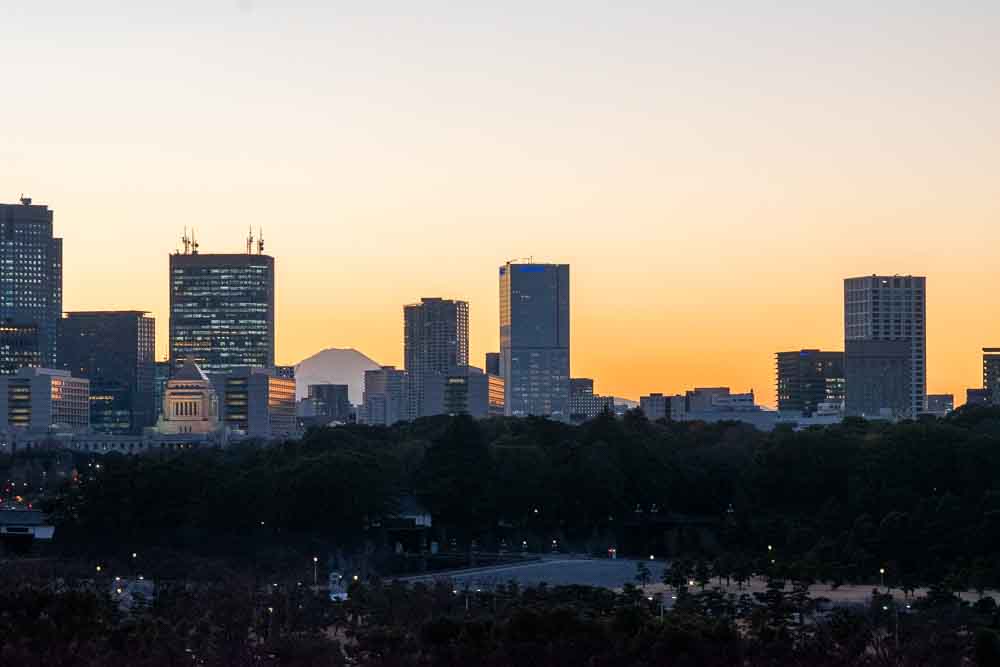
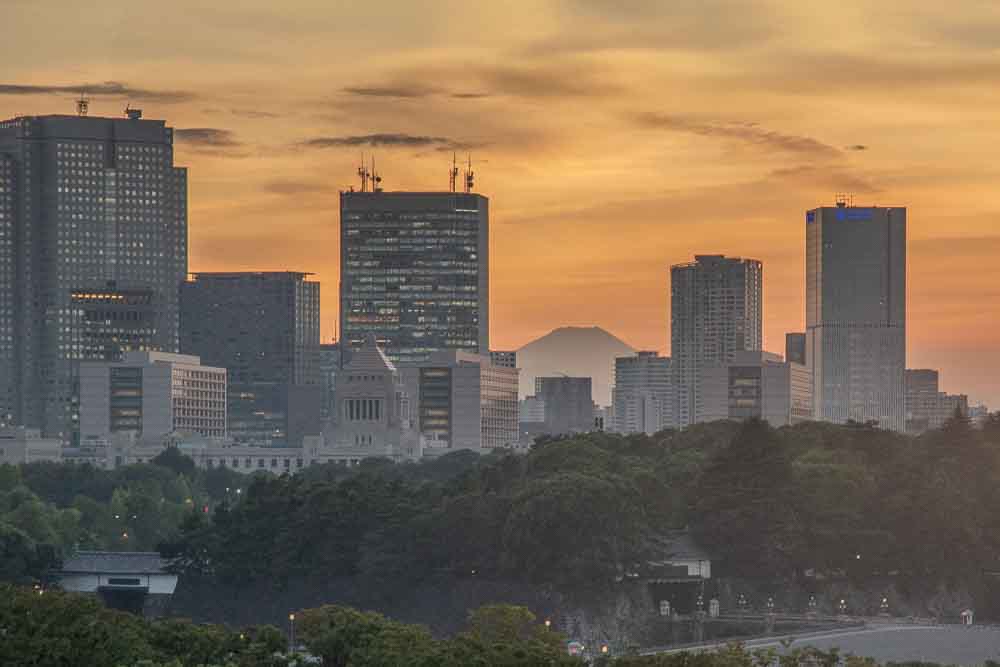
If you are lucky enough to visit Tokyo on a clear, crisp winter morning, look west. You might see a perfect, white-capped cone floating on the horizon. It is majestic, beautiful, and for us Japanese people, it is incredibly special. We have been obsessed with the mountain for centuries.
Actually… I have to be honest with you. That is what you would have seen if you had been living in Tokyo many decades ago.
Today, the reality is a bit different. Tokyo has “grown up.” Because of rapid urbanization, there are now so many skyscrapers in Tokyo that block the scenery of that beautiful mountain from most streets. But don’t worry. Even if we can’t always see the real thing, the spirit of the mountain is still here. In fact, there are three unique ways we can still feel its presence in Tokyo.
Mt. Fuji from the street
First, we can find Fuji-something on the map. While walking through the city, you will often come across slopes with a street sign that says “Fujimi-zaka.” Fujimi means “viewing Fuji,” and zaka means “slope.” In the old days, these were the perfect viewing spots. Today, even if you stand there, you will likely just see a wall of concrete buildings. But the names remain, like a memory of the beautiful scenery that used to be there.
Mt. Fuji at Shrines
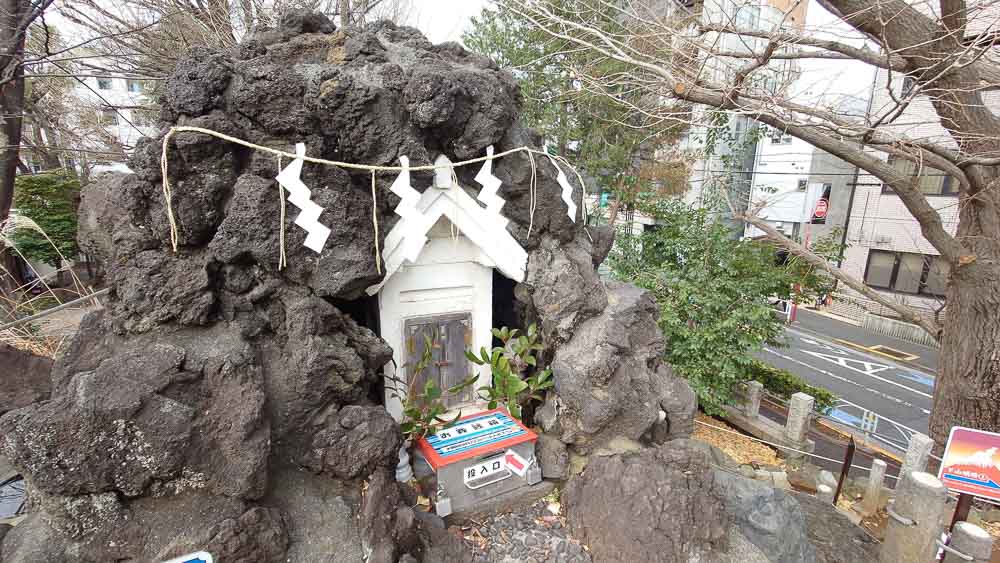
Second, we can find something sacredly related at shrines. You see, Japanese people didn’t just want to look at the mountain; we wanted to climb it. But back in the Edo period, traveling all the way to the real mountain was expensive and dangerous for the average person. So communities came up with a clever solution. They would often pool their money and choose their representative to go on the pilgrimage for everyone else. When this person came back, he brought home a special souvenir: actual lava rocks from that sacred mountain.
These rocks were piled up to create a mini-mountain right there in the neighborhood, known as a “Fujizuka.” Unfortunately, most of these mounds were removed as Tokyo modernized. But here’s the cool part: a few of them still survive today! Hidden inside certain Shinto shrines, there are still miniatures that you are actually allowed to climb. Reaching the summit of these small mounds was considered to bring the same spiritual benefit as climbing the real peak. It was like a virtual reality experience in the Samurai era!
Mt. Fuji in Public Baths
Third, we can find the beautiful mountain even in public baths. If you go to a traditional public bath, or sento, look at the wall above the bathtub. Almost always, there is a massive painting of our symbolic mountain. Why? Soaking in hot water while looking at that grand, open scenery makes your heart feel big and peaceful. It is the ultimate relaxation.
Mt. Fuji from Rooftops
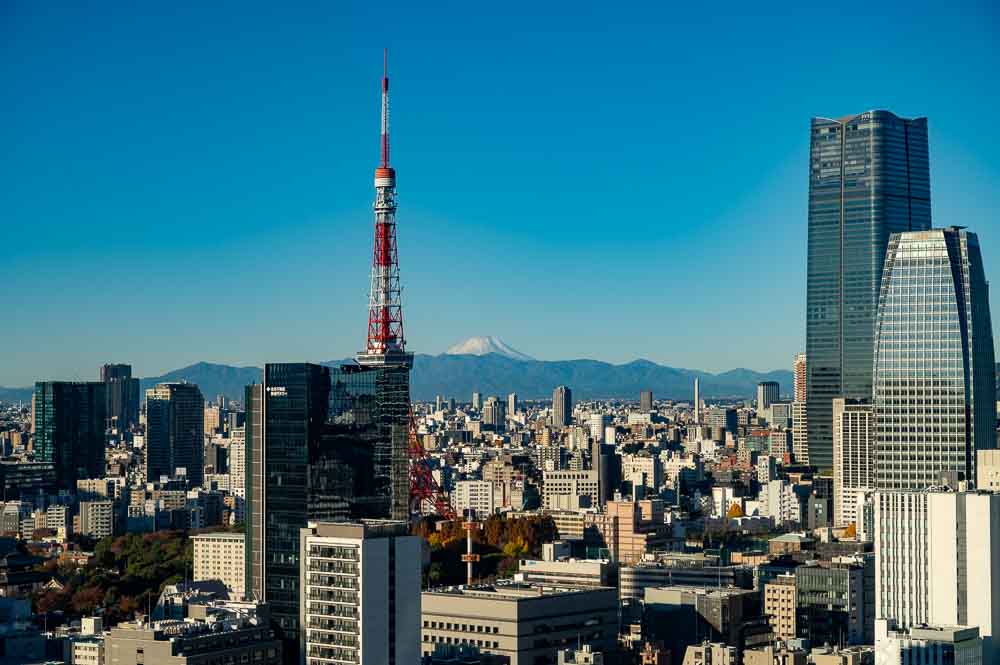
Oh, is this not good enough? Then, let’s rely on our urbanization! When you go up to a rooftop viewpoint such as Shibuya Sky, the Tokyo Metropolitan Government Building, the Marunouchi Building, or certain hotels, you can sometimes find it standing out in the west.
Mt. Fuji from the street (Again?)
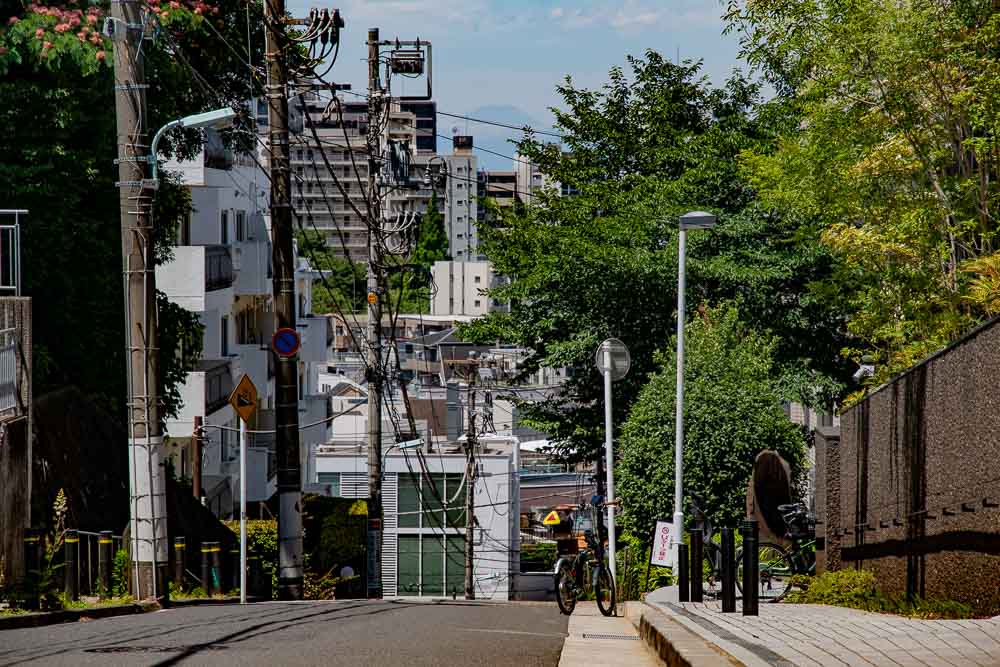
Oh, what? You still want to see the grandeur from ground level in Tokyo? Hmmm… it’s possible. There are still a few rare spots in the city where the mountain suddenly appears between the buildings. Where is it? It’s a… secret. Ask me directly!