I am like a spice for a spaghetti bolognese: What I Realized through the Journey to Kumamoto
June 15, 2026
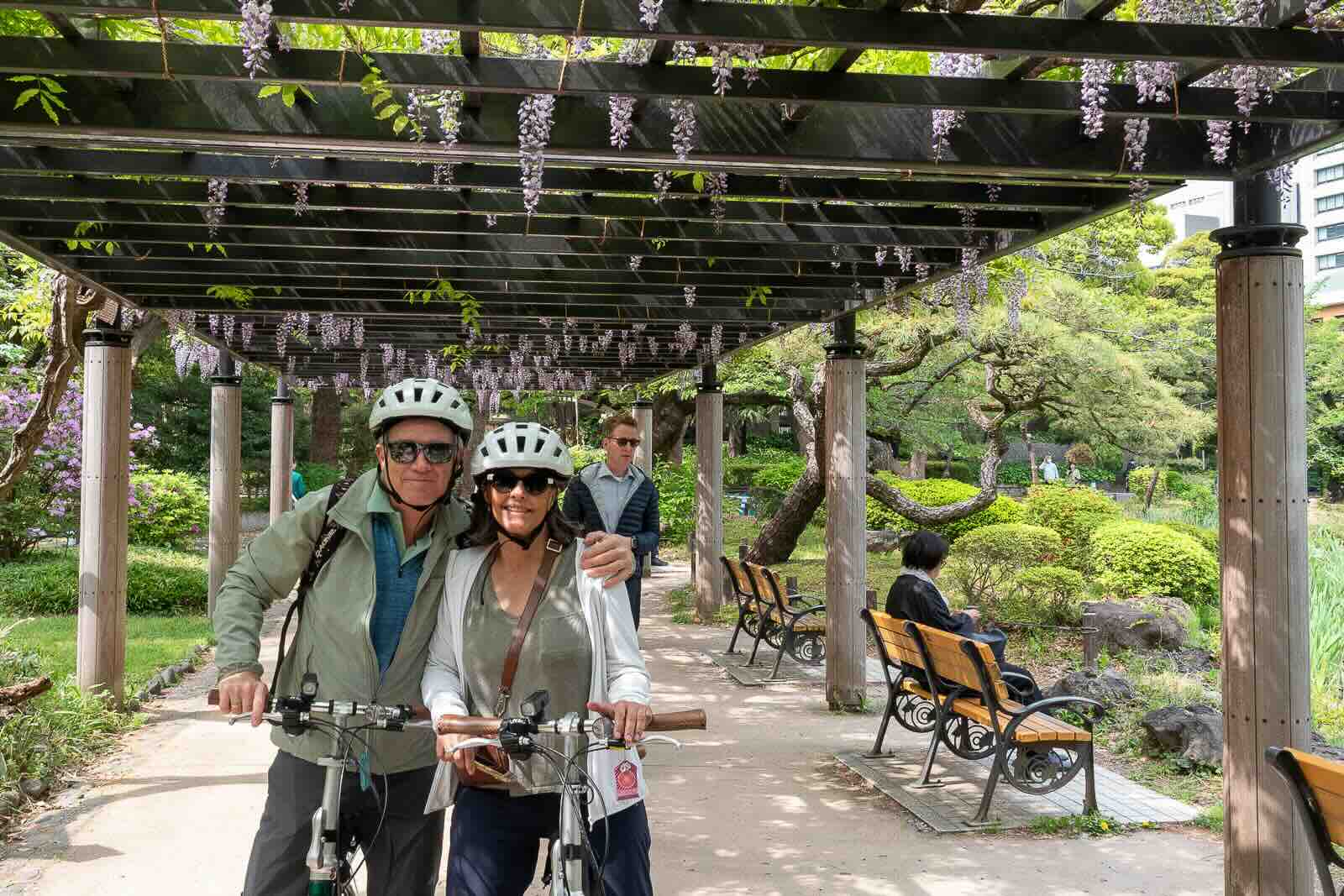
Usually, I share stories from the busy streets of Tokyo as a bike tour guide. But recently, I took a short break, left the dense city behind, and traveled down south to Kumamoto. Of course, I had to explore the area by bike!
But wait... when most international first-time travelers plan their Japan itinerary, they usually take the famous "Golden Route" of Tokyo, Kyoto, and Osaka. They look forward to skyscrapers, ancient temples and shrines, or maybe a ski trip to Niseko or Hakuba and an onsen getaway in Hakone.
So, why did a Tokyo bike tour guide choose Kumamoto?
Because I was looking for a huge contrast to Tokyo. I was looking for a deeper, more rural side of Japan, and what I discovered there has made my view of my job much clearer. In fact, I realized what it truly means to be a bike tour guide.
Let me take you on a journey through the grand landscapes of Kumamoto, and show you exactly what I mean.
Aso in Kumamoto: green lush fields in the Caldera by bike!
The Magnificent Caldera
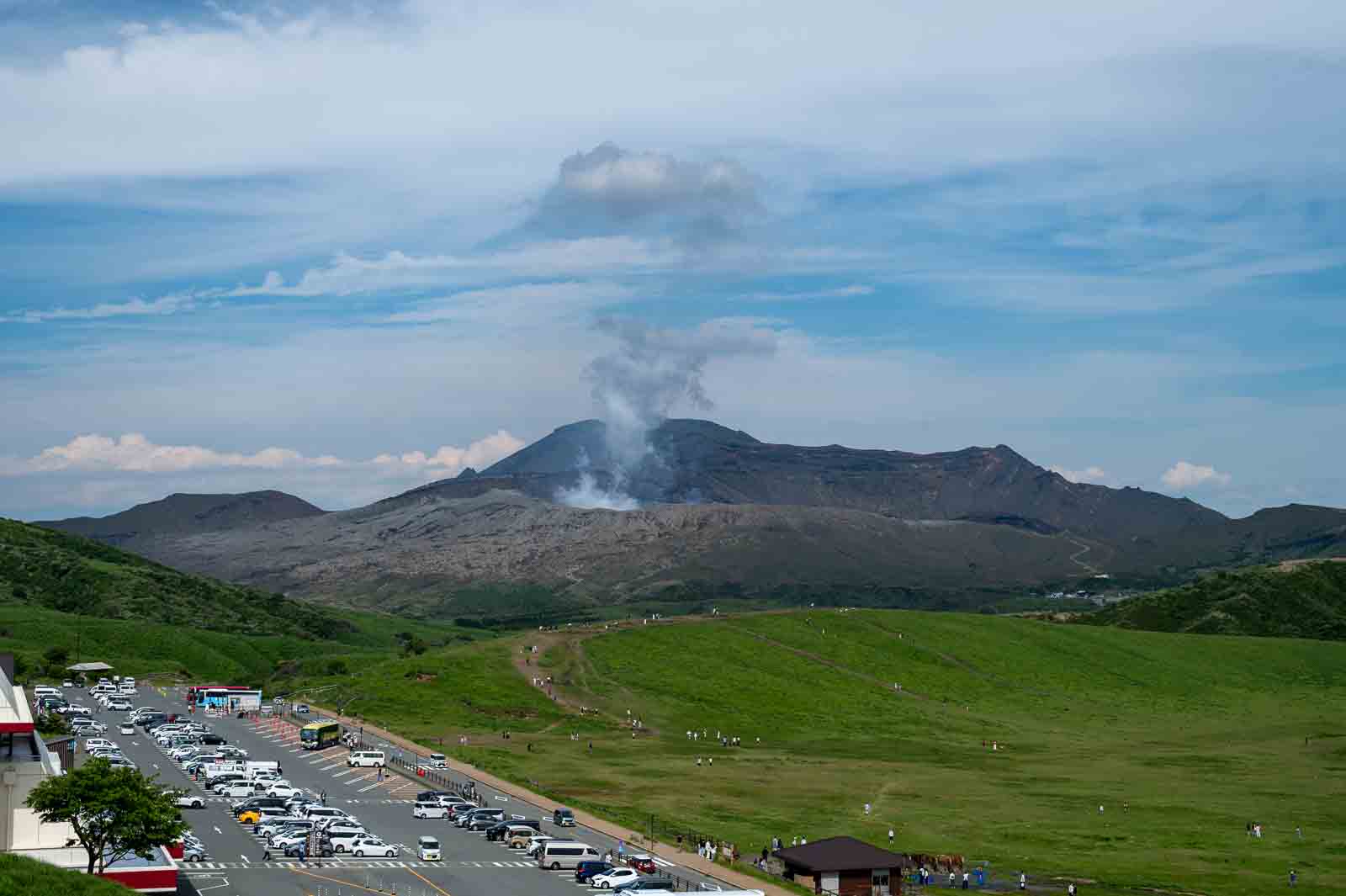
The absolute highlight of any Kumamoto trip is the Aso region.
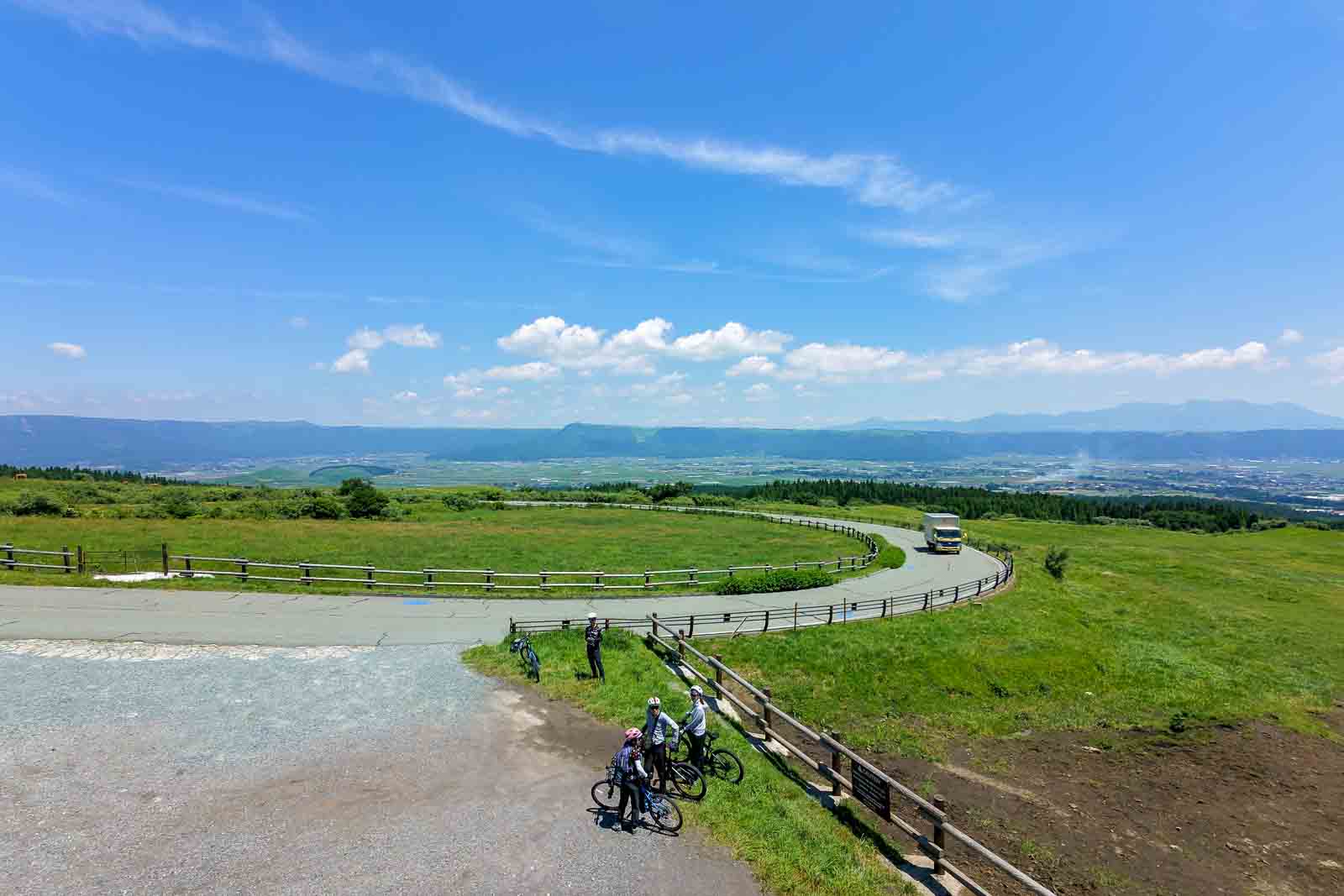
Aso in Kumamoto is world-famous for having one of the largest volcanic calderas on the planet. A caldera is a massive bowl-shaped depression formed after a volcanic eruption. The shape is like a frying pan. The one in Aso is so huge that its perimeter stretches about 128 kilometers (80 miles)!
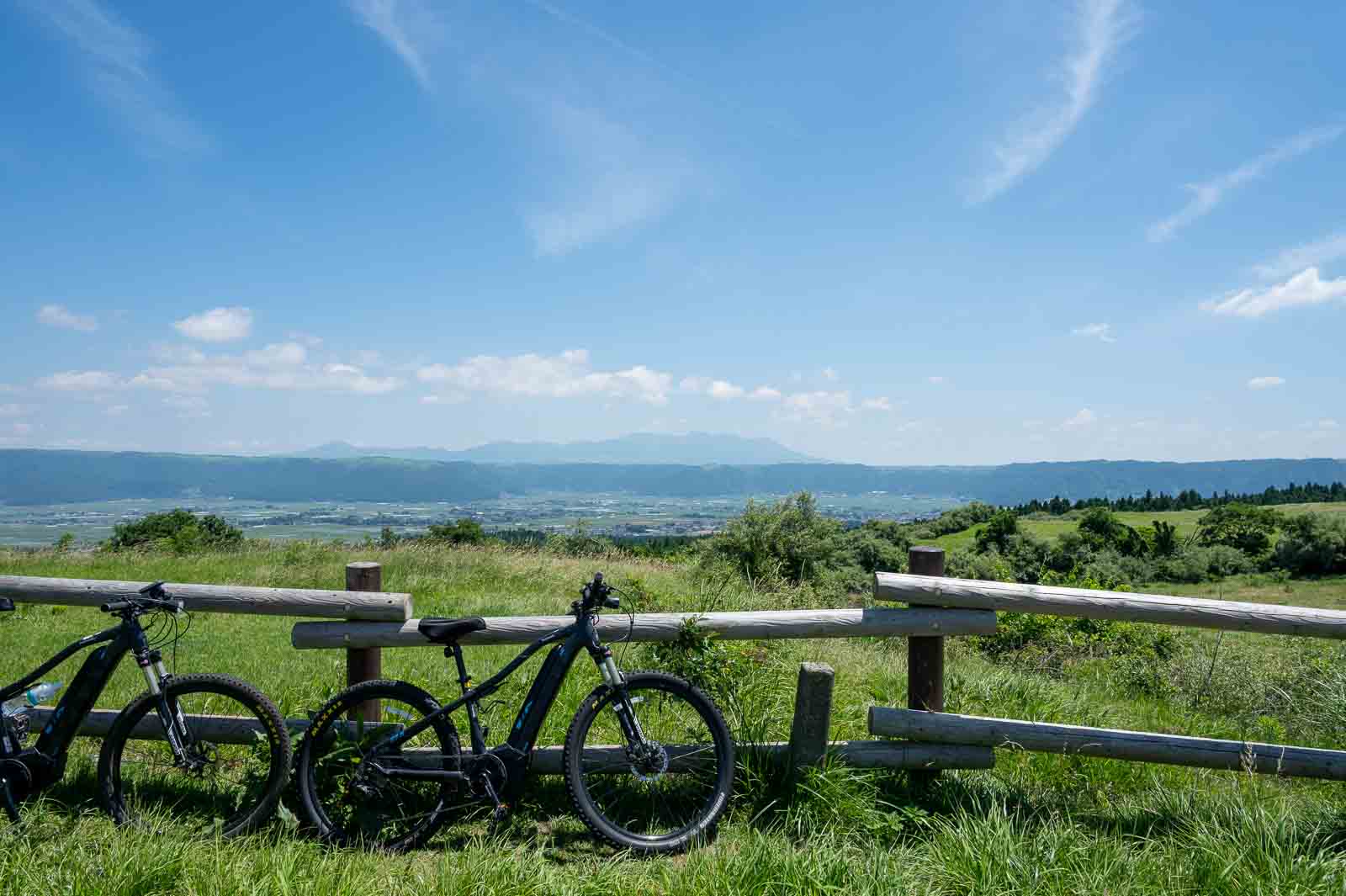
Inside this massive caldera, a vibrant local community thrives, maintaining an authentic, rural lifestyle. As you explore, you will see green, lush fields and peaceful pastures with cows and horses. Seeing is believing. Take a look at some of the photos I captured!
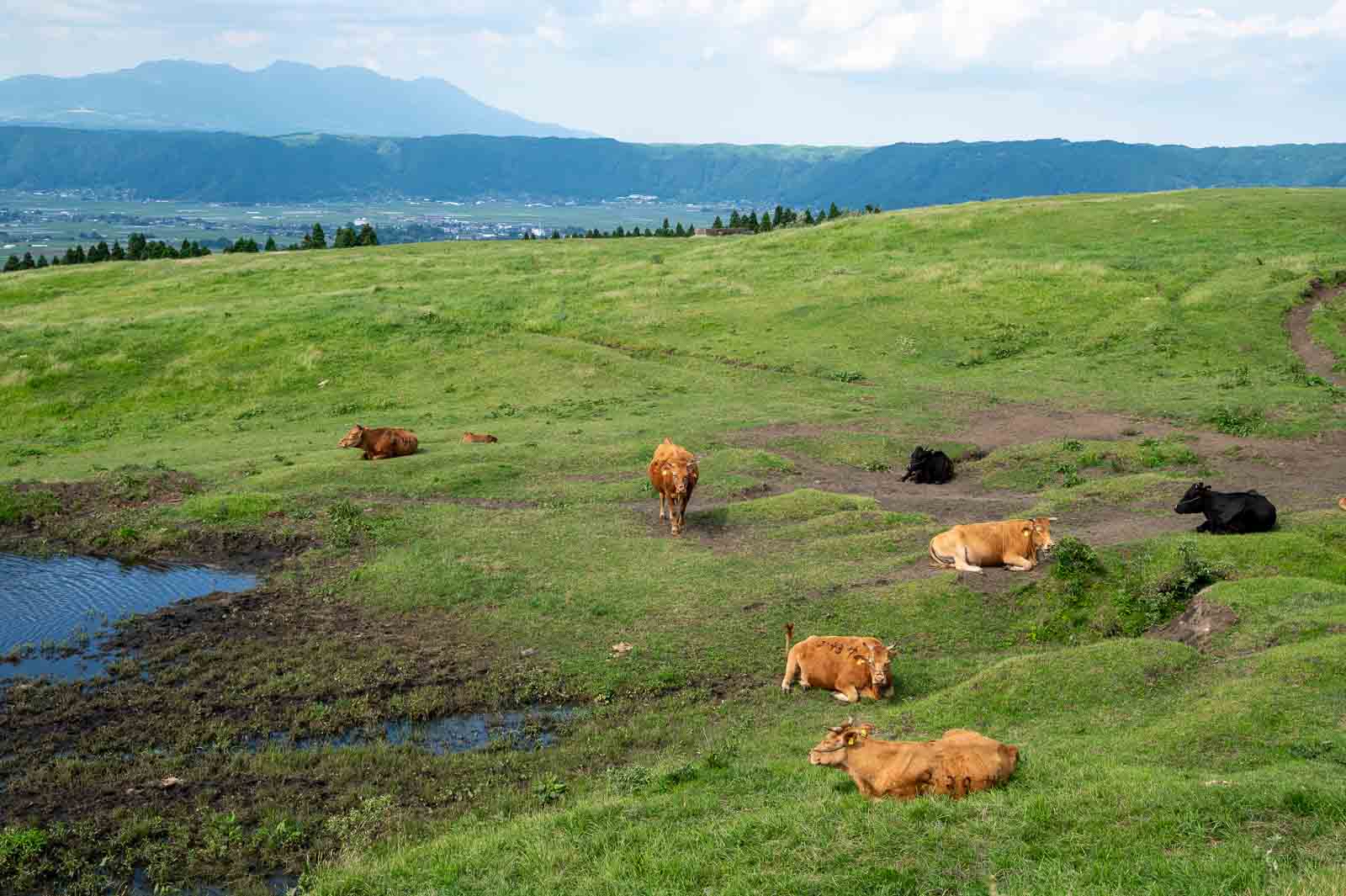
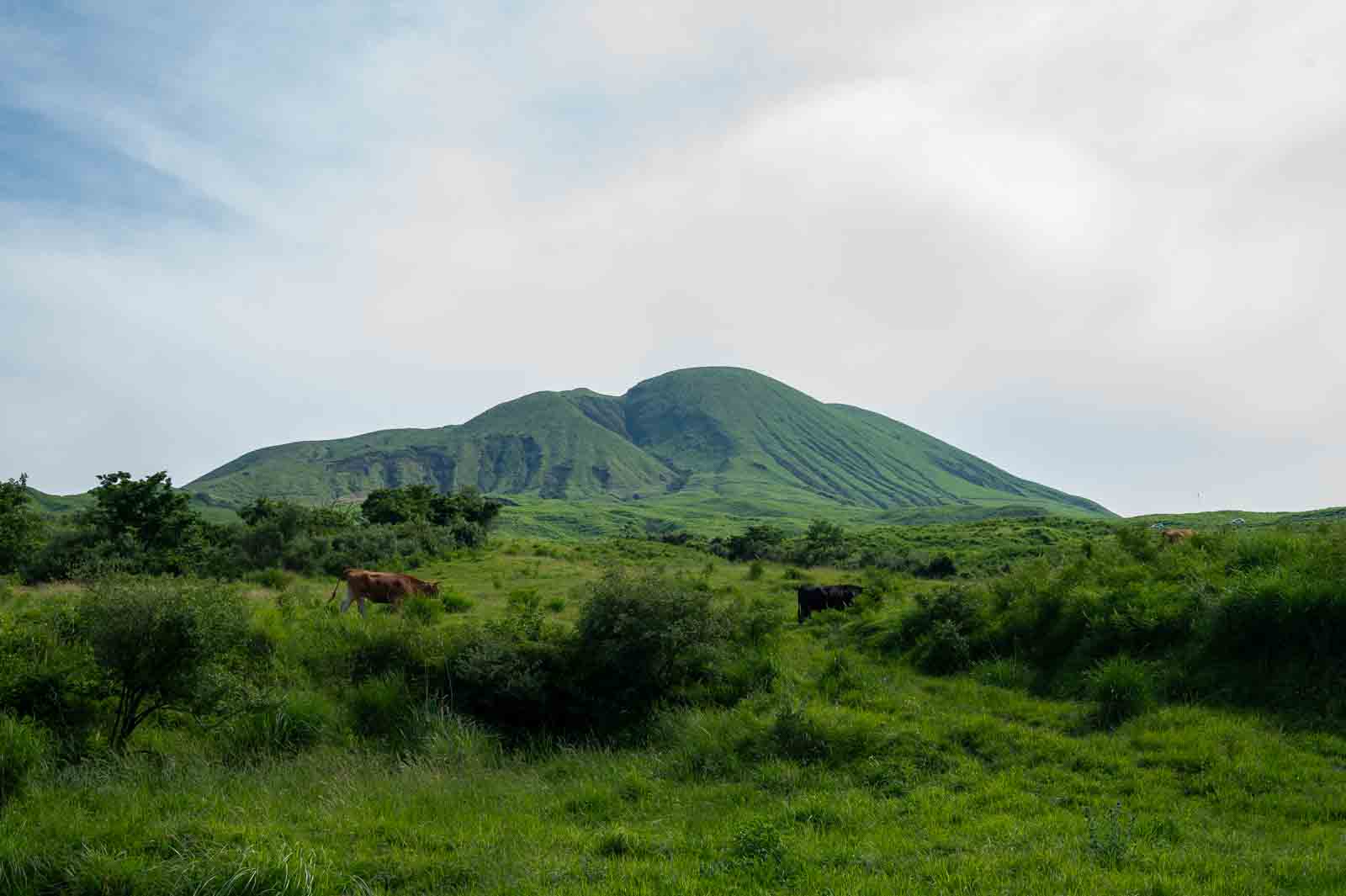
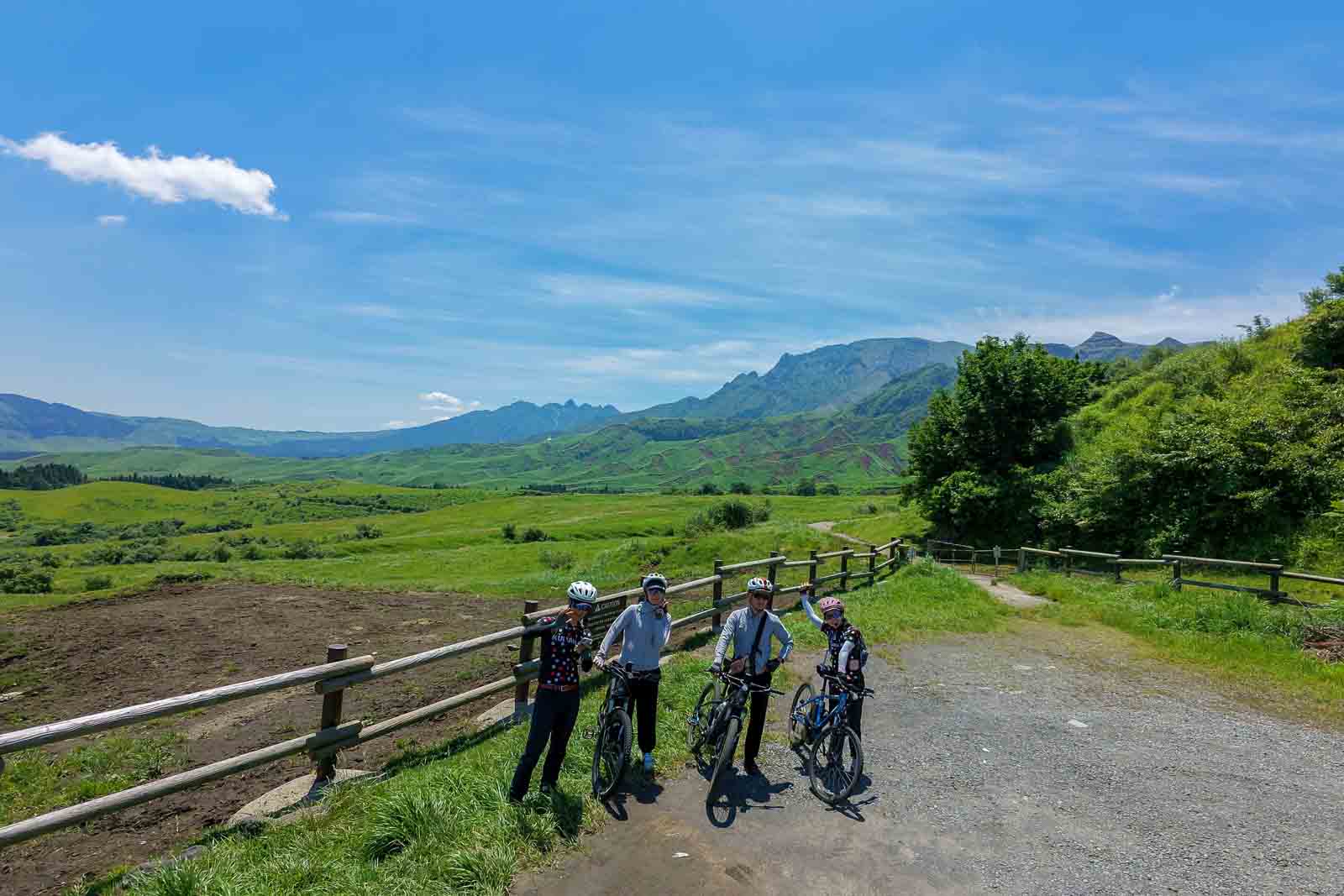
To make it simple, it is absolutely beautiful.
Not Just the Beauty: A Guide’s Perspective on Riding Two Wheels
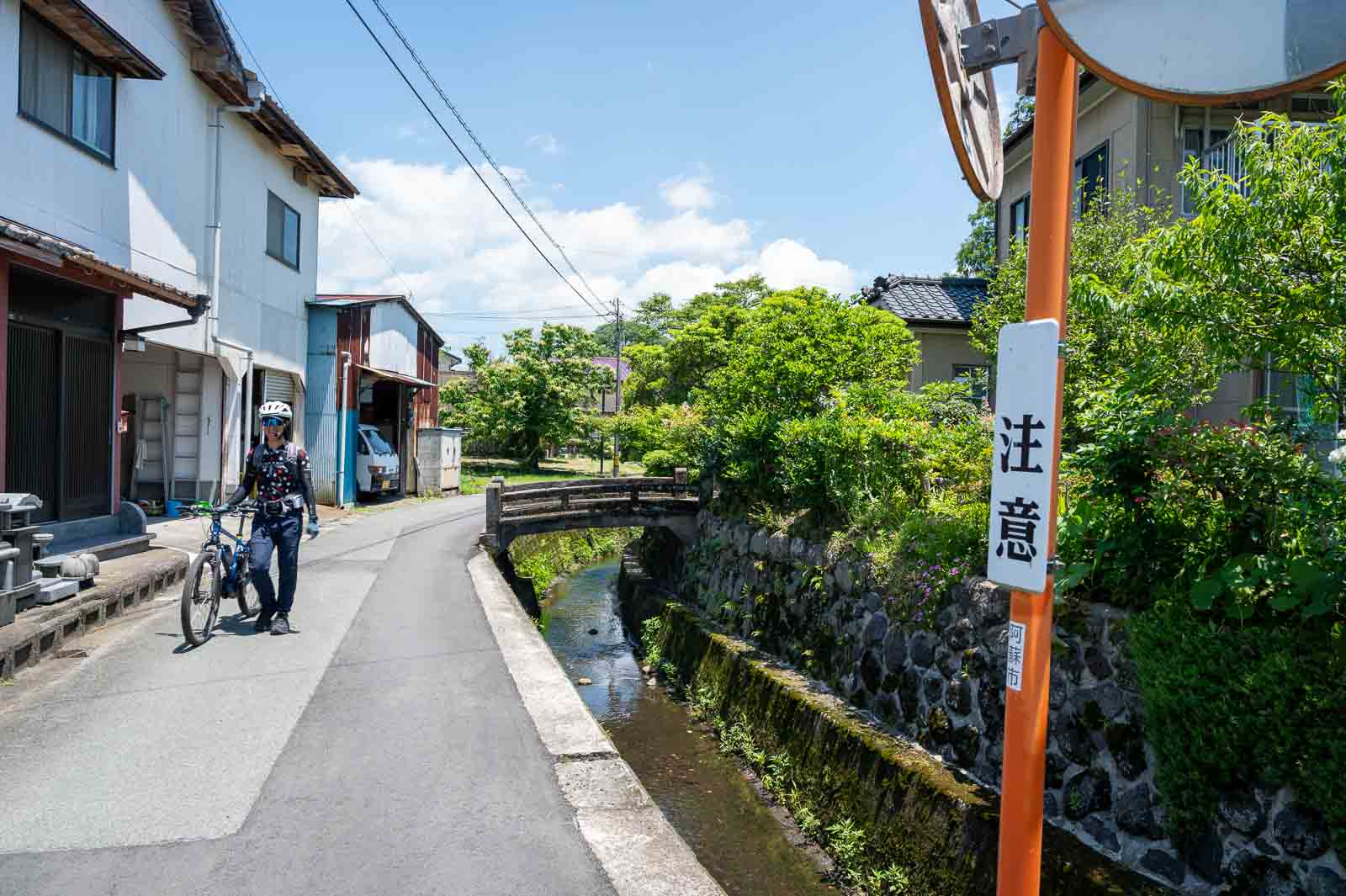
As a bike tour guide in Tokyo, I spend my days guiding guests through a fascinating urban landscape. In Tokyo, you will find a drastic change of scenery. One minute you are riding under skyscrapers, and the next, you are tucked away in a peaceful backstreet.
Riding in Aso felt completely different. Instead of dynamic urban shifts, I found myself surrounded by endless green fields and peaceful pastures.
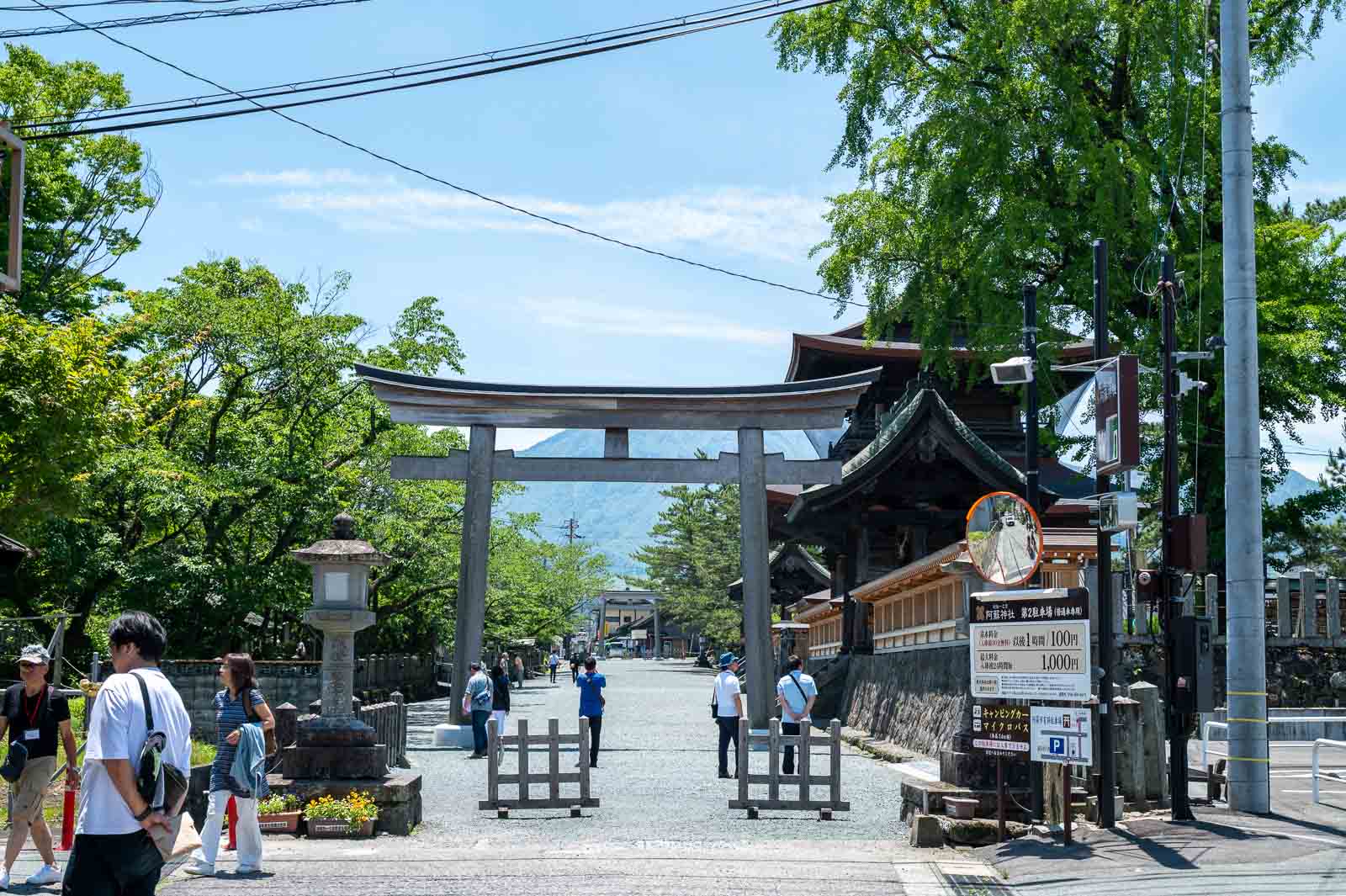
But here is the thing: if you just rent a bike and ride around on your own, you will probably just say, "Wow, it’s beautiful. So massive," and leave it at that. To truly appreciate Aso, you need a local guide.
Inside the world's largest caldera, every mountain, pasture, and quiet village has a story. A professional guide doesn’t just show you the path; they unlock the history, geology, and local lifestyle behind the scenery. Plus, because the caldera is so massive, having a guide ensures you navigate the absolute best routes efficiently and effectively, tailored to your riding skills.
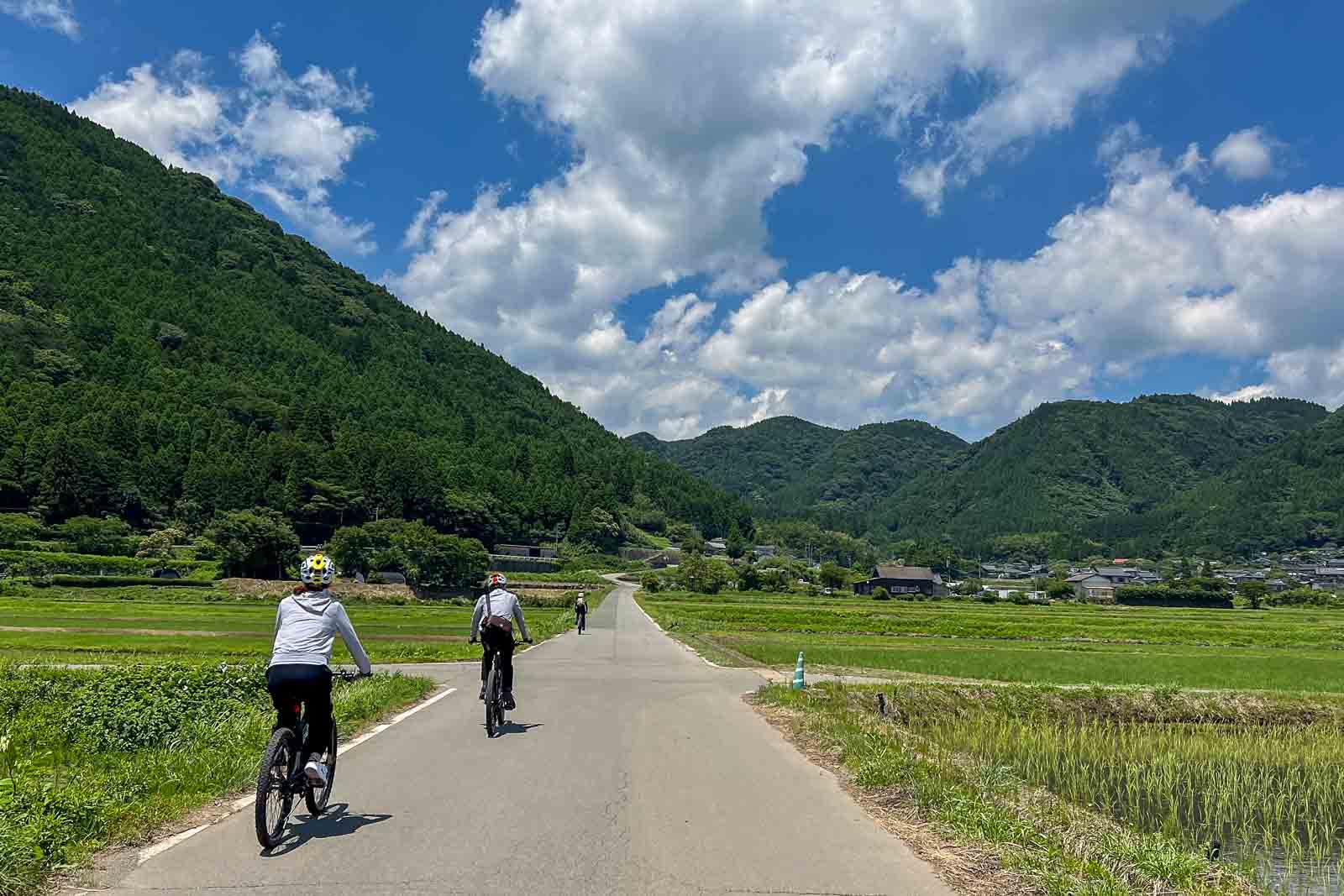
I chose Aso Kuju Cycle Tour, and my two guides, Kota and Yoshimi, were absolutely fantastic. As a fellow guide, I was deeply inspired by their hospitality. Kota, a local, shared deep regional knowledge that gave us a profound understanding of the land, while Yoshimi, originally from Singapore, offered a wonderful international perspective. Their combination was pure Yin and Yang—a perfect reminder of how a great guide can transform a beautiful view into an unforgettable journey.
Kumamoto Castle: Reconstruction and Resilience
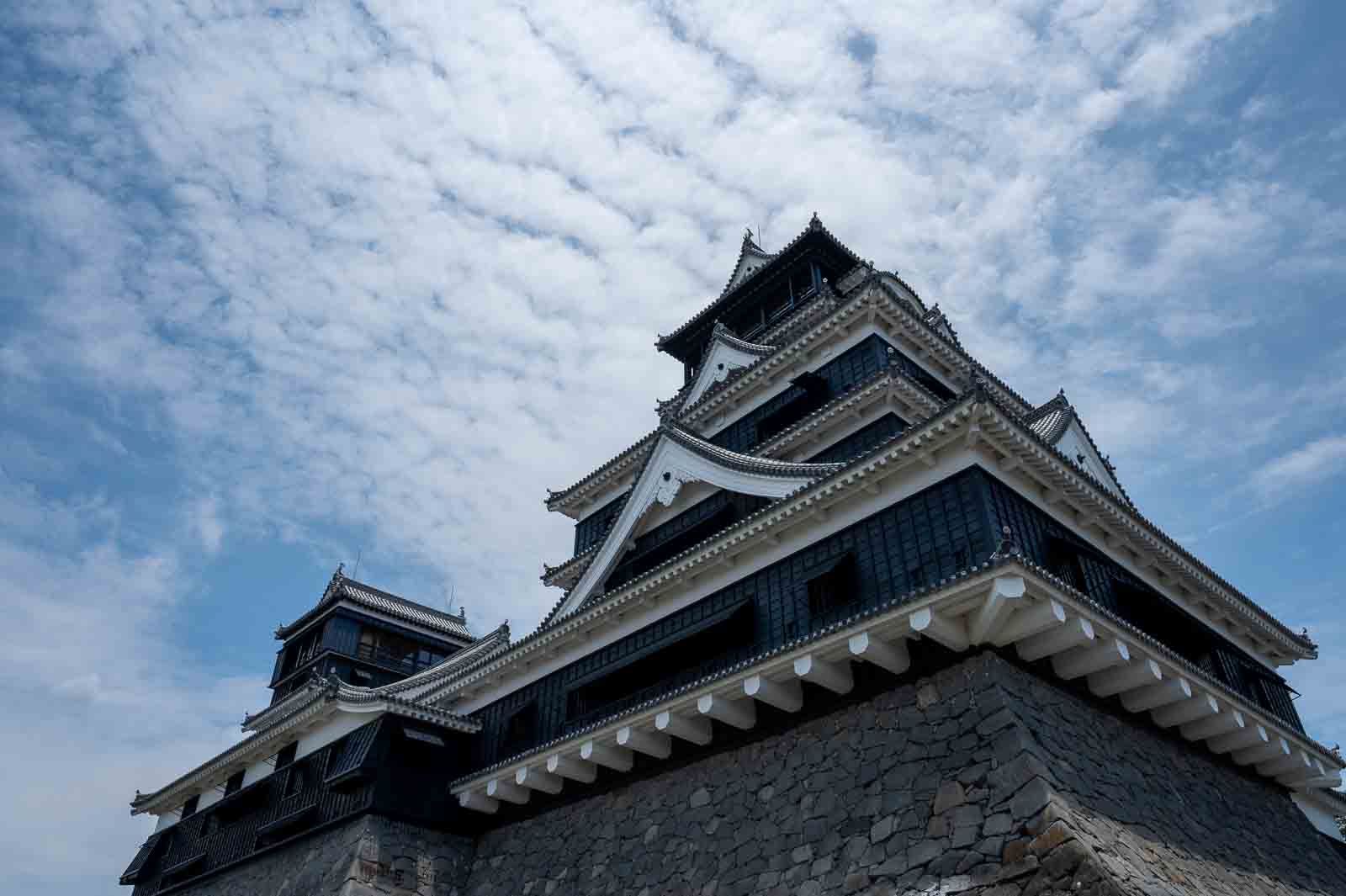
One place you absolutely cannot miss is Kumamoto Castle.
Again, I got a guide here. Without a guide, I would have only thought: "Wow, this is the nationally famous Kumamoto Castle. It's so massive, and the damage from the earthquake is so tragic." End of story.
No bike tours are available inside the castle grounds, but luckily I found a local volunteer guide. He was so knowledgeable that he could answer any question I asked, and he added so much fascinating context about the castle and the city.
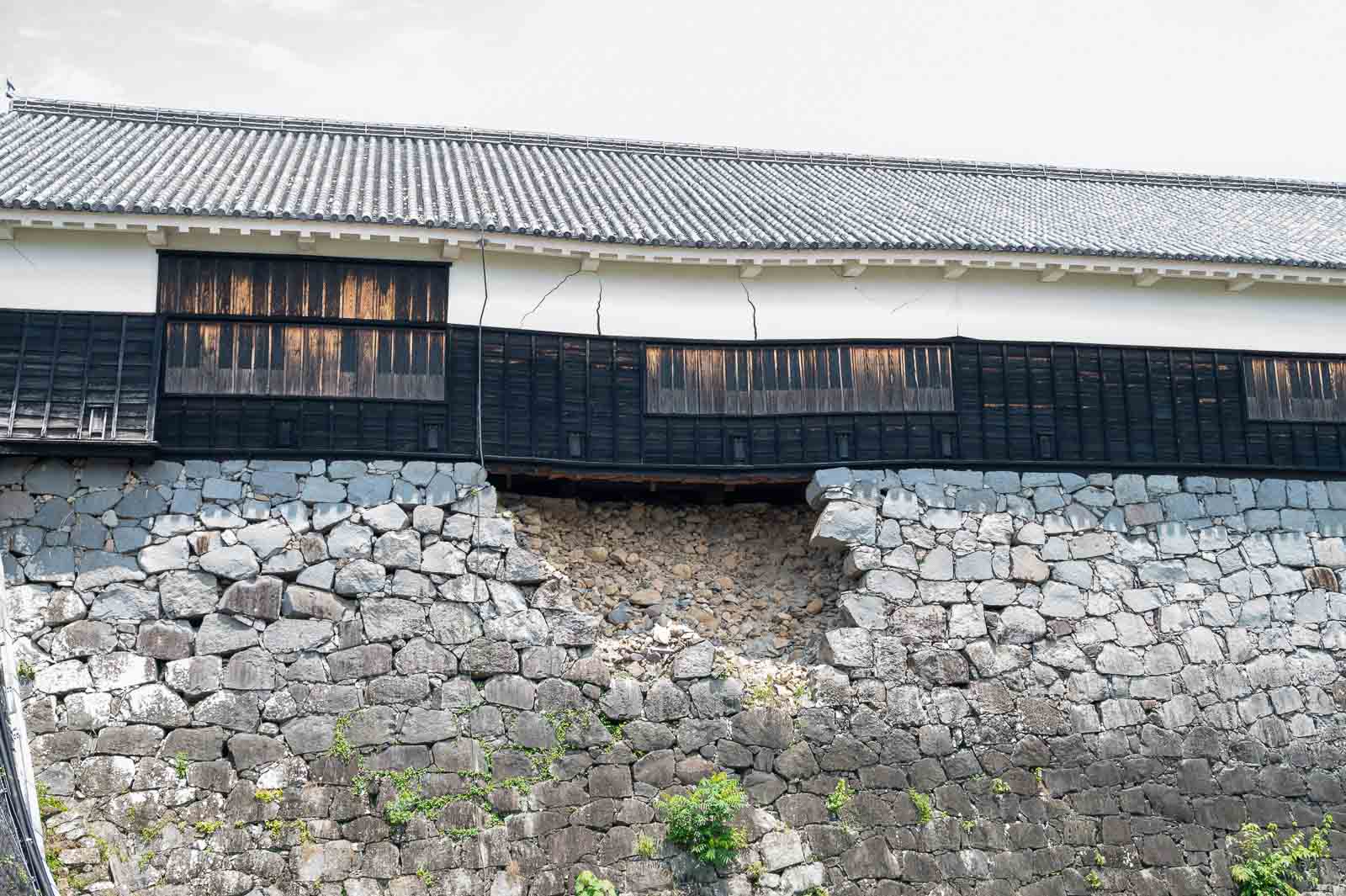
One thing I vividly remember was a story about the 2016 earthquake and the reconstruction work after the tragedy.
Can you believe that tens of thousands stones from the collapsed walls are being numbered, cataloged, and moved back to its exact original position, piece by piece? It’s like a giant jigsaw puzzle. Instead of just seeing the tragedy of a natural disaster, you get to witness the incredible spirit of the Japanese people who refuse to rush, choosing instead to preserve their culture properly for the next generation.
The massive restoration project continues until 2052. Visiting right now gives you a rare, behind-the-scenes look at Japanese craftsmanship and resilience firsthand.
Kumamoto Gourmet: Local Dishes You Must Try
I know local food experiences are a great part of a journey, so let me share three signature dishes in Kumamoto.
Basashi (Horse Meat Sashimi)
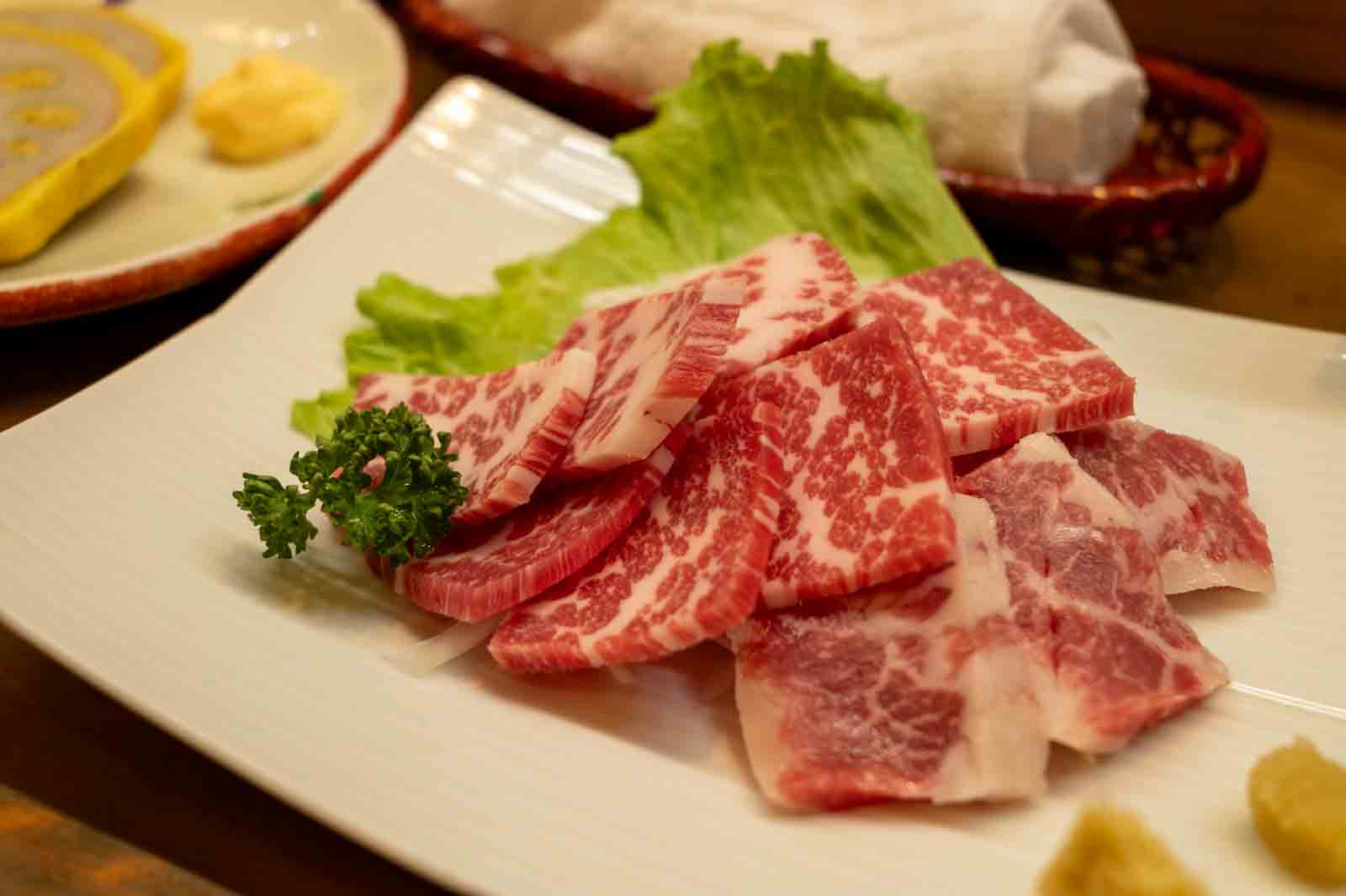
While beef, pork, and chicken are the standard meats in Japan, horse meat is incredibly popular in Kumamoto. While it can be enjoyed grilled, the most traditional way to eat it is completely raw, sliced thin like sashimi. It is called Basashi (ba means horse, and sashi is short for sashimi). It’s incredibly lean, tender, and goes perfectly with a cold beer!
Akaushi (Red Beef)
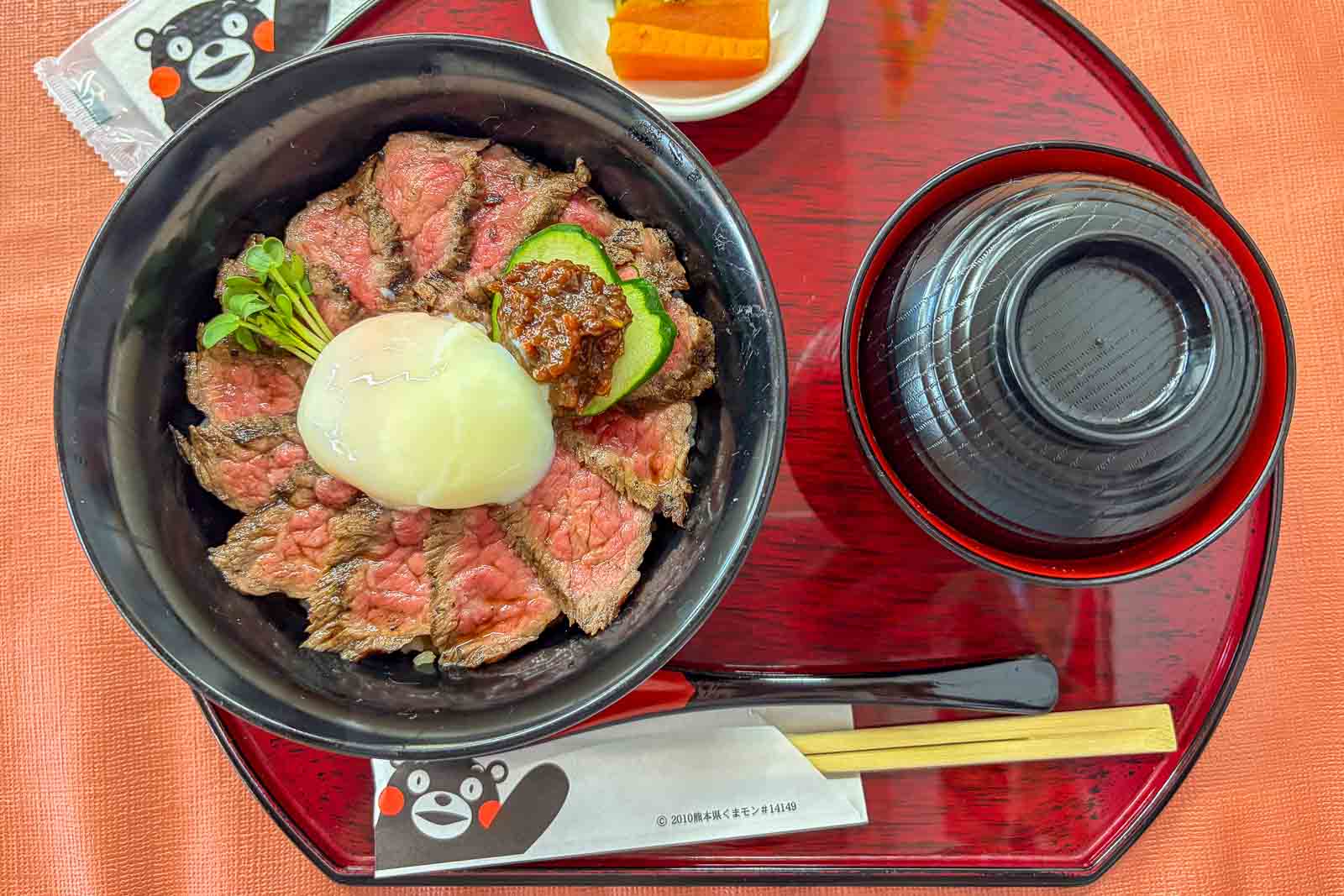
Akaushi is another local delicacy you will love—and yes, it is definitely beef! While most Japanese Wagyu cattle are black, Akaushi literally translates to "Red Cow" due to their reddish-brown coats. The meat is tender, perfectly marbled, and has a naturally sweet, rich flavor. It’s a must-try during your stay.
Karashi Renkon (Spicy Lotus Root)
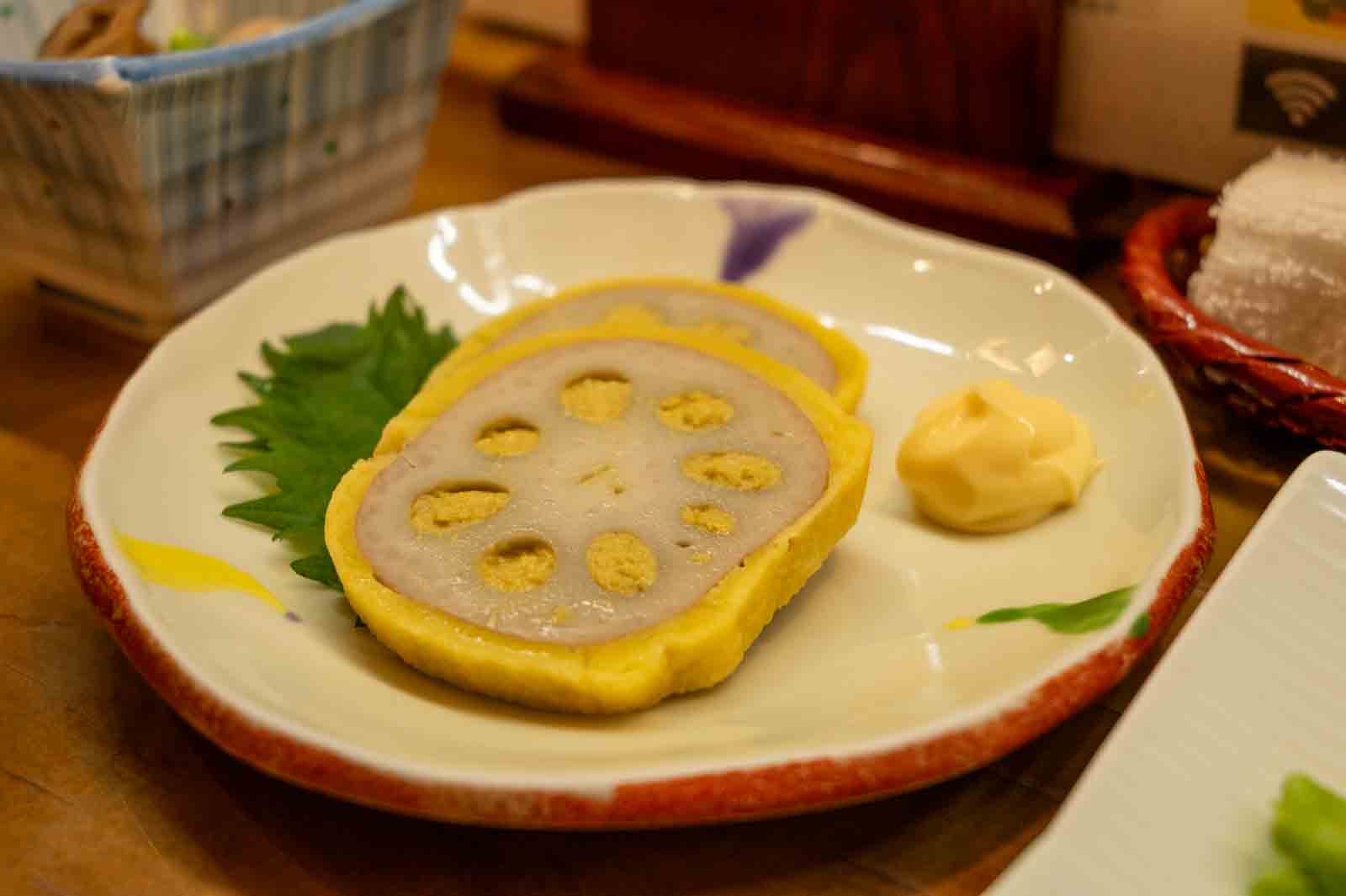
For a unique crunchy snack, try Karashi Renkon. This is a lotus root where the holes are stuffed with a kick of hot mustard (karashi) and miso, then coated in a light batter and fried. It was originally created centuries ago as a health food for a local feudal lord, and it remains a famous local favorite today!
Trying these local dishes made me realize that food, just like travel, is all about the right combination of flavors and history.
Lastly: Bringing a Piece of Kumamoto Back to Tokyo
My journey to Kumamoto reminded me of why I love my job so much. Visiting a place without a guide is fun, but it’s just fun. It's like a spaghetti bolognese. Any bolognese has meat and tomato in the sauce, and you can enjoy it just fine. But what if you added a special secret spice, like a splash of red wine or a dash of soy sauce? It transforms the whole dish.
I am that spice. Without a guide, your trip is still good, but adding one transforms the experience into something unforgettable.
Guides take you to areas you couldn't reach on your own as Kota and Yoshimid did. Plus, they give you a completely new perspective on the world as the volunteer guide at the Kumamoto Castle did. I can't wait to bring this fresh inspiration back to the streets of Tokyo to create even more unforgettable, 'spicy' experiences for my future guests at Tokyo Bike Bliss.
Planning your own trip? Here's what you need to know.
How to reach Kumamoto?

Kumamoto is located in the Kyushu region, and it’s just a 2-hour flight from Tokyo.
Depending on your travel plans, various direct flights are available:
- From Tokyo (Haneda): JAL, ANA, and Solaseed Air (SNA)
- From Tokyo (Narita): Jetstar Japan (GK)
- From Osaka (Itami): JAL, ANA, and Amakusa Airlines (AMX)
- From Nagoya (Komaki): Fuji Dream Airlines (FDA)
- From Nagoya (Centrair): Fuji Dream Airlines (FDA) — Newly launched in March 2026!
- From Okinawa (Naha): ANA
Bike Tours in Kumamoto
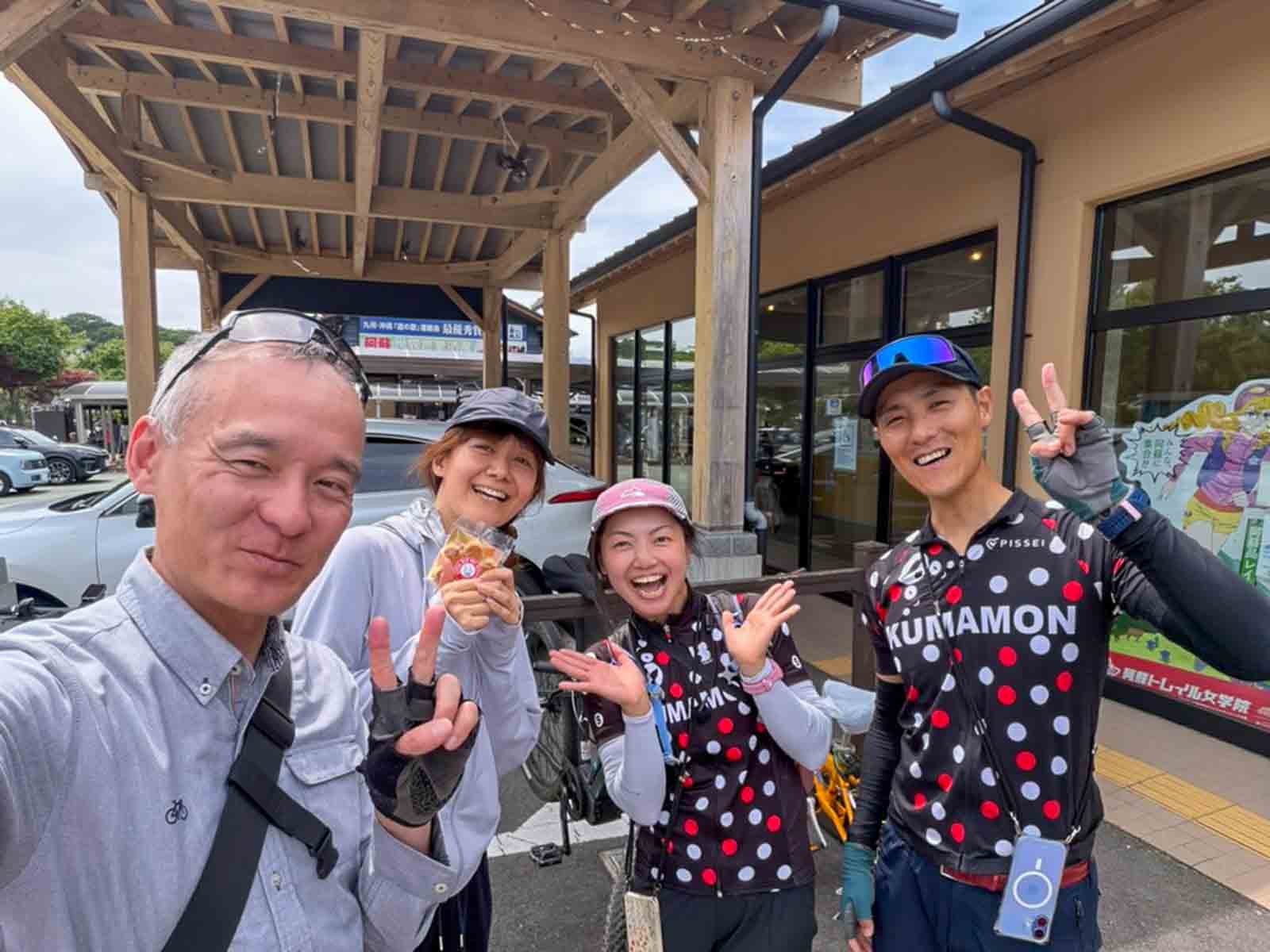
Kota and Yoshimi from Aso Kuju Cycle Tour are indispensable for making the journey unforgettable. They offer you a tailored tour not only in Aso but also across most areas in the Kyushu region.